

Choosing the right qualified intermediary is the single most important decision in a 1031 exchange. The intermediary holds your funds, manages the legal paperwork, and ensures the IRS recognizes your tax deferral. If you choose poorly, you risk losing your deferral entirely. This guide explains how to evaluate, verify, and select a qualified intermediary that protects your investment.
How to Choose a Qualified Intermediary
A qualified intermediary is a third-party entity that holds the proceeds from the sale of your relinquished property and facilitates the purchase of the replacement property. The IRS requires this separation to ensure the exchange is tax-deferred. When choosing a provider, independence is the most critical factor. You want a firm that is not owned by a title company, escrow company, or lender. These conflicts of interest can compromise the neutrality of the advice you receive.
Independence and Neutrality
Many large exchange companies are subsidiaries of title or escrow firms. While they may be competent, their primary loyalty is to their parent company. An independent qualified intermediary, like Granite Exchange Services, operates as a neutral third party. This means their sole focus is on ensuring your exchange is compliant and that your funds are safe. They do not have a financial incentive to steer you toward specific lenders or title companies.
Experience and Track Record
Look for a provider with a long history in the industry. Experience matters because 1031 exchanges involve complex tax codes and strict deadlines. A firm that has been operating since 2000 has navigated numerous market cycles and regulatory changes. Check how many exchanges they have completed and the total value of funds they have safeguarded. A high volume of successful exchanges indicates a mature operational process.
Customer Service Model
Consider how you will interact with the team. Large corporate providers often use call centers where you may speak to different people at each stage of the process. A boutique or independent firm typically assigns a dedicated specialist to your file. This ensures continuity and faster response times. You want a team that answers the phone and knows your specific situation.
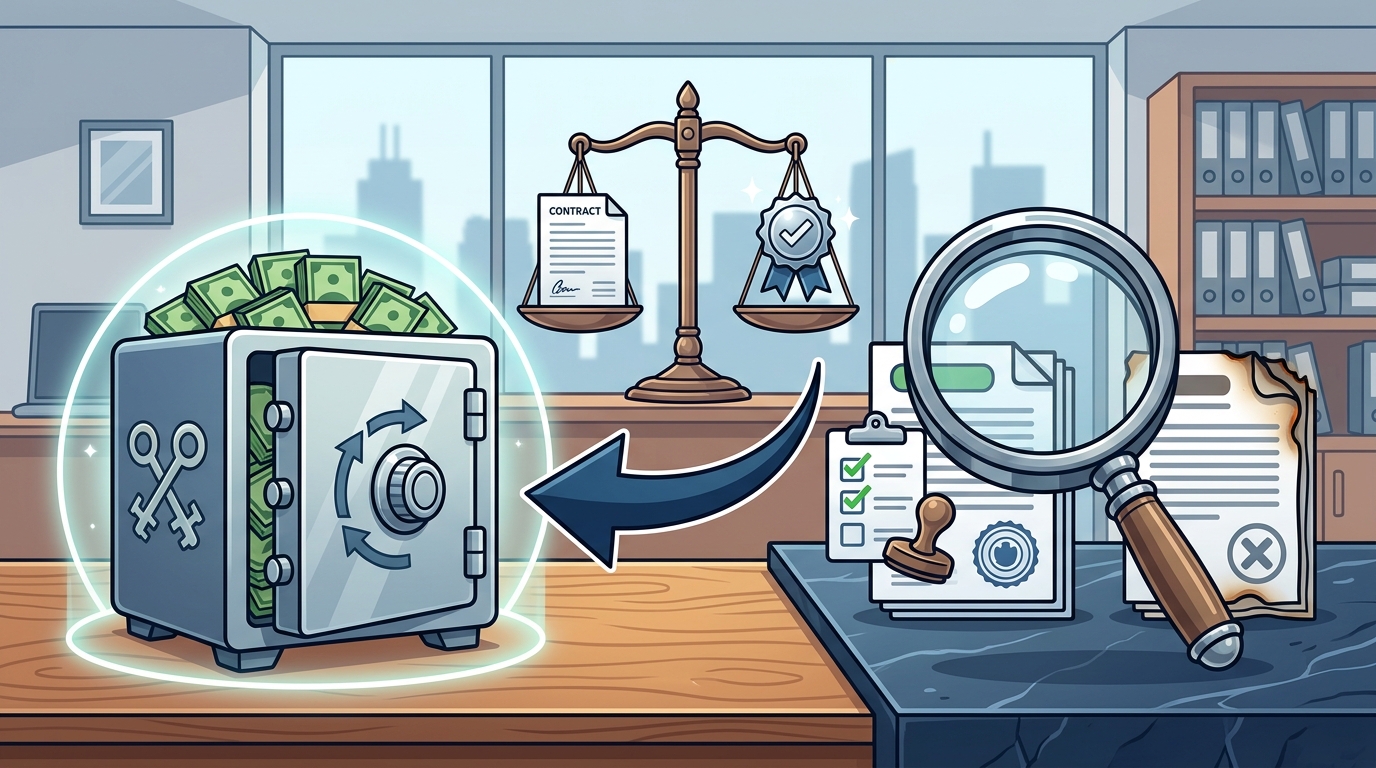
Questions to Ask Before Committing
Before signing an exchange agreement, you should ask specific questions to gauge the provider's competence and transparency. These questions help you understand their operational capabilities and how they handle edge cases.
Operational Questions
Ask where your funds are held. The proceeds from your sale must be held in a segregated, FDIC-insured account. Ask if they commingle funds with other clients. A reputable firm will never commingle your funds. Also ask about their backup systems. What happens if their primary bank fails? Do they have a secondary custodian?
Service Questions
Ask who will be your primary point of contact. Will it be a dedicated specialist or a rotating team? Ask about their availability. Do they offer support outside of standard business hours? Deadlines in a 1031 exchange are absolute, and you need a team that is responsive when you need them. Ask if they handle complex structures like reverse exchanges or improvement exchanges.
Compliance Questions
Ask how they ensure compliance with IRS regulations. Do they have a dedicated compliance team? Ask about their experience with specific state tax rules, especially if you are in a state with unique withholding requirements. A knowledgeable provider will be familiar with the nuances of your specific state and property type.
How to Verify Credentials and Claims
Not all claims made by exchange providers are verifiable. You should take steps to confirm their credentials and track record before committing your funds.
Check Certifications
Look for industry certifications. The Certified Exchange Specialist (CES) designation is a recognized credential in the 1031 exchange industry. It indicates that the individual has passed a rigorous exam and committed to continuing education. Verify that the person handling your exchange holds this certification. You can check the CES registry to confirm their status.
Verify Financial Security
Confirm that the firm is licensed and bonded. Ask for their surety bond information. A bond protects you in the event of fraud or misappropriation of funds. Also verify the FDIC insurance on the accounts where your funds are held. You should receive documentation showing that your funds are insured up to the full amount of the exchange.
Review Testimonials and Reviews
Look for verified reviews from past clients. Check independent review platforms to see what other investors say about their experience. Pay attention to comments about responsiveness, professionalism, and how the firm handled any issues that arose. A firm with a long history will have a substantial number of reviews that you can analyze for patterns.
The Exchange Process Step-by-Step
Understanding the sequence of events helps you prepare for the exchange and know what to expect at each stage. The process is strictly regulated and follows a specific timeline.
Step 1: The Exchange Agreement
You sign an Exchange Agreement with the qualified intermediary before you sell your property. This document outlines the terms of the exchange and the intermediary's role. It is a legal contract that binds all parties to the IRS requirements.
Step 2: Sale and Fund Transfer
You sell your relinquished property. The proceeds are wired directly to the qualified intermediary's segregated account. You never receive the funds directly. This is a critical step for tax deferral. If you touch the funds, the exchange is disqualified.
Step 3: Identification of Replacement Property
You have 45 days from the closing of your sale to identify potential replacement properties. You must submit a written identification to the intermediary. You can identify up to three properties of any value, or up to three properties with a total value not exceeding 200% of the relinquished property's value.
Step 4: Closing the Replacement Property
You have 180 days from the closing of your sale to close on the replacement property. The intermediary releases the funds from the segregated account to the seller of the replacement property. Once the replacement property is closed, the exchange is complete.
Understanding Exchange Costs
The cost of a 1031 exchange varies based on the complexity of the transaction and the value of the property. Understanding the fee structure helps you budget for the exchange.
Base Fees
Most qualified intermediaries charge a base fee for a standard forward exchange. This fee covers the preparation of the exchange agreement, holding of funds, and management of the closing process. Fees are typically flat and do not scale with the value of the property. You should ask for a written fee schedule before signing the agreement.
Additional Fees
Complex exchanges may incur additional fees. Reverse exchanges, where you buy the replacement property before selling the relinquished property, often have higher fees due to the additional complexity and risk. Improvement exchanges, where you use the proceeds to build or renovate, may also have higher fees. Ask about all potential fees upfront to avoid surprises.
Hidden Costs
Be wary of providers who quote a low base fee but charge for every additional service. Ask if there are fees for wire transfers, document preparation, or extended holding periods. A transparent provider will list all fees in the initial agreement. Compare the total cost of the exchange, not just the base fee.
Common Mistakes and How to Avoid Them
Many 1031 exchanges fail due to simple mistakes that are easily avoided with proper planning and a competent intermediary.
Missing Deadlines
The 45-day identification and 180-day closing deadlines are absolute. There are no extensions. If you miss these deadlines, the exchange is disqualified, and you owe taxes on the gain. Work with an intermediary who tracks these deadlines for you and sends reminders. Use a deadline calculator to plan your timeline.
Receiving Boot
Boot is any cash or property received in the exchange that is not like-kind. If you receive cash left over from the sale, it is taxable. To avoid boot, you must reinvest all proceeds into the replacement property. If you have a mortgage on the relinquished property, you must assume equal or greater debt on the replacement property. A knowledgeable intermediary will help you structure the deal to avoid boot.
Choosing the Wrong Replacement Property
The replacement property must be like-kind to the relinquished property. For real estate, this generally means any investment real estate qualifies. However, you must hold the property for investment purposes. If you use it as a personal residence, the exchange may be disqualified. Ensure your replacement property meets the IRS requirements.
Qualified Intermediaries vs. Alternatives
While a qualified intermediary is the standard method for a 1031 exchange, there are other tax deferral strategies to consider. Understanding the differences helps you choose the right approach for your situation.
| Strategy | Complexity | Cost | Best For |
|---|---|---|---|
| 1031 Exchange | Medium | Flat Fee | Investors with clear replacement property |
| 1031 Exchange (Reverse) | High | Higher Fee | Investors who find replacement before selling |
| 1031 Exchange (Improvement) | High | Higher Fee | Investors planning to build or renovate |
| Section 121 Exclusion | Low | No Fee | Primary residence owners (not applicable to rentals) |
| Installment Sale | Medium | Legal Fees | Investors who want to defer tax over time |
The 1031 exchange is the most common and straightforward method for deferring capital gains taxes on investment real estate. It allows for an indefinite deferral of taxes as long as you continue to exchange into like-kind property. Other strategies may be appropriate in specific situations, but the 1031 exchange remains the gold standard for real estate investors.
Choosing for Specific Investor Situations
Different types of investors have different needs when choosing a qualified intermediary. Your specific situation should influence your choice.
Small Individual Landlords
Commercial Investors
If you own commercial properties, you may be dealing with higher values and more complex structures. You need a provider with experience in commercial exchanges. Look for a firm that has handled exchanges of similar size and type. They should be familiar with the specific tax implications of commercial real estate, such as depreciation recapture.
Investor Groups and Hedge Funds
If you are part of an investor group or hedge fund, you need a provider that can handle multiple properties and complex ownership structures. You may be exchanging multiple properties in a single transaction. Look for a firm that has experience with portfolio exchanges and can coordinate the process for multiple parties.
Legal Rules and Investor Protections
1031 exchanges are governed by specific IRS rules. Understanding these rules helps you protect your investment and ensure compliance.
Like-Kind Requirement
The relinquished and replacement properties must be like-kind. For real estate, this means any investment real estate qualifies. Personal property, such as cars or boats, does not qualify. The property must be held for productive use in a trade or business or for investment. It cannot be held for personal use.
Qualified Intermediary Requirement
The IRS requires that a qualified intermediary hold the proceeds from the sale. You cannot hold the funds yourself. The intermediary must be a third party that is not related to you. This requirement ensures that the exchange is treated as a like-kind exchange rather than a sale and purchase.
Documentation Requirements
You must file Form 8824 with your tax return to report the exchange. The qualified intermediary will provide you with a Form 1099 that details the exchange. You should keep all documentation related to the exchange for your records. A reputable intermediary will provide you with a complete file of all documents related to the exchange.
Local Considerations for Investors
While 1031 exchanges are governed by federal tax code, state and local rules can affect the process. Understanding these local specifics helps you plan your exchange.
State Tax Withholding
Some states require withholding at closing on real estate sales. If you are selling property in a state with withholding requirements, you need to ensure that the withholding is handled correctly. A knowledgeable intermediary will be familiar with the specific rules in your state and can help you file for any necessary exemptions.
State Conformity
Most states conform to federal 1031 exchange rules, meaning that the state tax deferral follows the federal deferral. However, some states have unique rules. For example, California has a clawback rule that requires you to report the deferred gain if you sell the replacement property in another state. A provider with deep expertise in your state will be familiar with these nuances.
Local Market Conditions
Local market conditions can affect your ability to find a suitable replacement property. In a tight market, you may need to act quickly to secure a replacement property. A provider that is familiar with your local market can help you identify potential replacement properties and negotiate the purchase.
Timing Your Exchange Correctly
Timing is critical in a 1031 exchange. The deadlines are strict, and missing them can disqualify your exchange. Planning your timeline carefully helps you avoid last-minute stress.
Planning Ahead
Start planning your exchange before you list your property for sale. Identify potential replacement properties in advance. This gives you a head start when the 45-day identification period begins. A provider that helps you plan ahead can ensure that you are ready to move quickly when the time comes.
Managing Deadlines
Use a deadline calculator to track your 45-day and 180-day deadlines. These deadlines are absolute and cannot be extended. A reputable intermediary will track these deadlines for you and send reminders. They will also help you manage the closing process to ensure that you close within the 180-day window.
Market Timing
Consider the market conditions when timing your exchange. In a seller's market, you may need to act quickly to secure a replacement property. In a buyer's market, you may have more time to find the right property. A provider that is familiar with your local market can help you time your exchange to maximize your results.
Long-Term Results and Outcomes
A successful 1031 exchange allows you to defer capital gains taxes indefinitely. This means that your capital remains invested and can continue to grow. Over time, this compounding effect can result in significant wealth accumulation.
Deferral of Taxes
By deferring taxes, you keep more capital working for you. This allows you to invest in higher-quality properties or diversify your portfolio. The deferred taxes are not forgiven; they are simply postponed until you sell the property in a taxable transaction. However, the time value of money means that deferring taxes can be highly beneficial.
Portfolio Growth
With the capital that would have gone to taxes, you can acquire more properties or upgrade to higher-value assets. This can lead to increased rental income and appreciation. Over time, this can result in a significantly larger portfolio than if you had paid the taxes upfront.
Estate Planning
1031 exchanges can also be used as part of an estate planning strategy. When you pass away, the basis of your property is stepped up to its fair market value. This means that the deferred taxes are effectively forgiven. By using 1031 exchanges to grow your portfolio, you can pass on a larger estate to your heirs with minimal tax impact.
Key Takeaways
- Choose an independent qualified intermediary that is not owned by a title, escrow, or lender company.
- Verify the provider's credentials, including CES certification and FDIC insurance on their accounts.
- Ask specific questions about their operational capabilities, customer service model, and compliance processes.
- Understand the cost structure, including base fees and any additional fees for complex exchanges.
- Avoid common mistakes such as missing deadlines, receiving boot, and choosing the wrong replacement property.
- Consider your specific situation, whether you are a small landlord, commercial investor, or part of an investor group.
- Be aware of local state and tax rules that may affect your exchange.
- Plan your timeline carefully to ensure you meet the 45-day and 180-day deadlines.
Frequently Asked Questions
What is a qualified intermediary?
A qualified intermediary is a third-party entity that holds the proceeds from the sale of your relinquished property and facilitates the purchase of the replacement property. The IRS requires this separation to ensure the exchange is tax-deferred.
How much does a 1031 exchange cost?
The cost of a 1031 exchange varies based on the complexity of the transaction. Most providers charge a flat fee for a standard forward exchange. Complex exchanges, such as reverse or improvement exchanges, may have higher fees. You should ask for a written fee schedule before signing the agreement.
Can I use a 1031 exchange for my primary residence?
What happens if I miss the 45-day identification deadline?
If you miss the 45-day identification deadline, your exchange is disqualified, and you owe taxes on the gain from the sale of your relinquished property. There are no extensions to this deadline. It is critical to identify your replacement property within 45 days of closing your sale.
Do I need a CPA to do a 1031 exchange?
While you do not legally need a CPA to do a 1031 exchange, it is highly recommended. A CPA can help you understand the tax implications of the exchange and ensure that you file your taxes correctly. They can also help you plan your exchange to maximize your tax deferral.
Can I exchange into multiple properties?
Yes, you can exchange into multiple properties. You can identify up to three properties of any value, or up to three properties with a total value not exceeding 200% of the relinquished property's value. You can also identify up to ten properties if their total value does not exceed 200% of the relinquished property's value and you acquire at least 95% of the identified properties.
How long does a 1031 exchange take?
A standard forward exchange typically takes 30 to 60 days to complete. The timeline depends on how quickly you can find and close on a replacement property. The 180-day deadline gives you plenty of time, but it is best to act quickly to secure the best property.
What is boot in a 1031 exchange?
Boot is any cash or property received in the exchange that is not like-kind. If you receive cash left over from the sale, it is taxable. To avoid boot, you must reinvest all proceeds into the replacement property. A knowledgeable intermediary will help you structure the deal to avoid boot.