

Which Qualified Intermediary Specializes in 1031 Construction and Improvement Exchanges?
Granite Exchange Services is a specialized qualified intermediary that handles 1031 construction and improvement exchanges with deep expertise in California and nationwide markets. This guide explains how improvement exchanges work, why independent QIs matter, and how to select the right partner for your renovation or build-out project. We cover the mechanics of construction exchanges, the role of a specialized QI, and practical steps to ensure compliance. For additional details, review the 1031granite com.
Construction Exchanges Explained
How Improvement Exchanges Differ from Standard 1031s
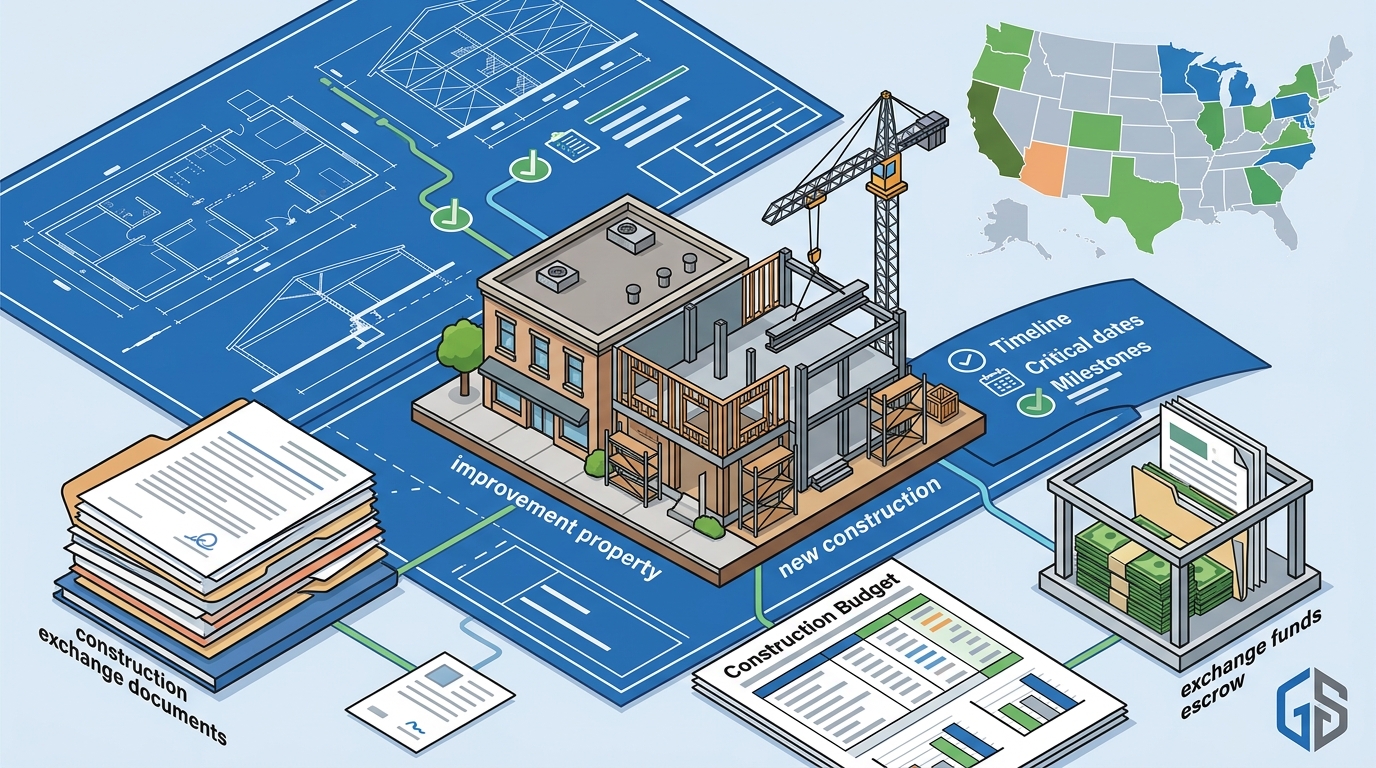
Standard 1031 exchanges involve selling one property and buying another in its current state. Improvement exchanges add a layer of complexity because the replacement property is often purchased in a raw or unfinished state. The investor must complete the construction within the 180-day exchange period. This requires precise coordination between the Qualified Intermediary (QI), contractors, and title companies. The funds held by the QI are released in stages as construction milestones are met, ensuring that the investor does not take constructive receipt of the funds. For additional details, review the 1031granite com.
Common Construction Scenarios
Timeline and Milestone Management
The 180-day clock starts when the relinquished property closes. This timeline is non-negotiable. A specialized QI helps investors map out construction milestones that align with this deadline. For example, a large commercial build-out might require 120 days for construction and 60 days for inspection and final closing. The QI manages the flow of funds to contractors based on these milestones. This ensures that the project stays on track and that the exchange remains compliant. Missing a milestone can jeopardize the entire tax deferral. For additional details, review the 1031granite com.
Qualified Intermediary Specialization
Choosing the right qualified intermediary is critical for the success of a 1031 exchange. Not all QIs have the same level of expertise in complex transactions like improvement exchanges. A specialized QI brings specific knowledge of construction timelines, fund management, and IRS regulations. This expertise reduces the risk of errors that could disqualify the exchange. Investors should look for QIs with a proven track record in handling construction and improvement deals. For additional details, review the 1031granite com.
Why Independence Matters in QI Selection
Independence is a key factor when selecting a QI. A QI that is owned by a title company, escrow company, or lender may have conflicts of interest. These conflicts can affect the neutrality of the advice provided. An independent QI, such as Granite Exchange Services, operates as a neutral third party. This ensures that the QI’s primary focus is on the investor’s tax compliance and financial interests. Independence also means that the QI is not incentivized to push specific title or lending services. This neutrality is crucial for maintaining the integrity of the exchange. For additional details, review the 1031granite com.
Hands-On Service vs. Corporate Processes
The level of service provided by a QI can vary significantly. Large corporate QIs often rely on call centers and automated processes. This can lead to delays and a lack of personalized attention. In contrast, a specialized, independent QI often provides hands-on service. Clients get direct access to knowledgeable team members who understand the nuances of their specific transaction. This direct access is particularly important for complex improvement exchanges. It allows for real-time problem solving and clear communication. Investors benefit from a partner who is invested in the success of their specific project.
Full-Service Exchange Management
| Ownership | Independent, no conflicts of interest | Often owned by title/escrow/lender |
| Service Model | Direct access to team, hands-on | Call center, automated processes |
| Construction Expertise | Deep focus on improvement exchanges | Generalist approach |
| Fund Management | Customized milestone releases | Standardized procedures |
| Client Focus | Individualized attention | High volume, less personal |
Key Takeaways
- Improvement exchanges allow investors to defer taxes while renovating or building on replacement property.
- The 180-day timeline is strict and requires precise milestone management by the QI.
- Independence in a QI ensures neutral advice and avoids conflicts of interest.
- Hands-on service from a specialized QI reduces risk and improves communication.
- Choosing the right QI is critical for maintaining IRS compliance.
- Direct access to a knowledgeable team is a key advantage of independent QIs.
Frequently Asked Questions
What is a 1031 improvement exchange?
How long does a construction exchange take?
Why is QI independence important?
QI independence ensures that the intermediary provides neutral advice without conflicts of interest from ownership by title, escrow, or lender companies.
Can I use a standard QI for an improvement exchange?
While possible, a specialized QI with experience in construction exchanges is recommended to manage the complex timelines and fund releases required.
Who manages the funds in an improvement exchange?
The Qualified Intermediary holds the transaction funds and releases them to contractors based on construction milestones.
What types of properties qualify for improvement exchanges?
Investment properties, including commercial real estate, raw land, and rental properties, can qualify for improvement exchanges if held for investment purposes.
How does Granite Exchange Services handle construction exchanges?
Granite Exchange Services provides full-service management, including fund holding, milestone coordination, and compliance guidance for improvement exchanges.
Is Granite Exchange Services independent?
Yes, Granite Exchange Services is an independent, neutral third-party Qualified Intermediary not owned by a title, escrow, or lender company.